In today’s connected digital world, understanding how private IPs and port configurations work is vital for both IT professionals and businesses managing secure systems. One such example is [172.16.252.214;4300], a combination that highlights an internal IP address and a specific port, often seen in enterprise or secure local environments. While it may look complex, this format reveals much about how internal networks function and communicate effectively.
What [172.16.252.214;4300] Represents
To begin, [172.16.252.214;4300] represents a private IP address within the range defined by the Internet Assigned Numbers Authority (IANA) for internal use—specifically the 172.16.0.0 to 172.31.255.255 range. The “4300” portion is a port number, used to establish a communication endpoint between systems. Together, they form a path that allows internal services, such as databases, web applications, or administrative tools, to exchange data securely without exposure to the public internet.
In essence, this configuration allows network administrators to isolate services from external access while maintaining internal connectivity. It’s a key element in designing a secure local area network (LAN) infrastructure.
Why Private IPs Like [172.16.252.214;4300] Matter
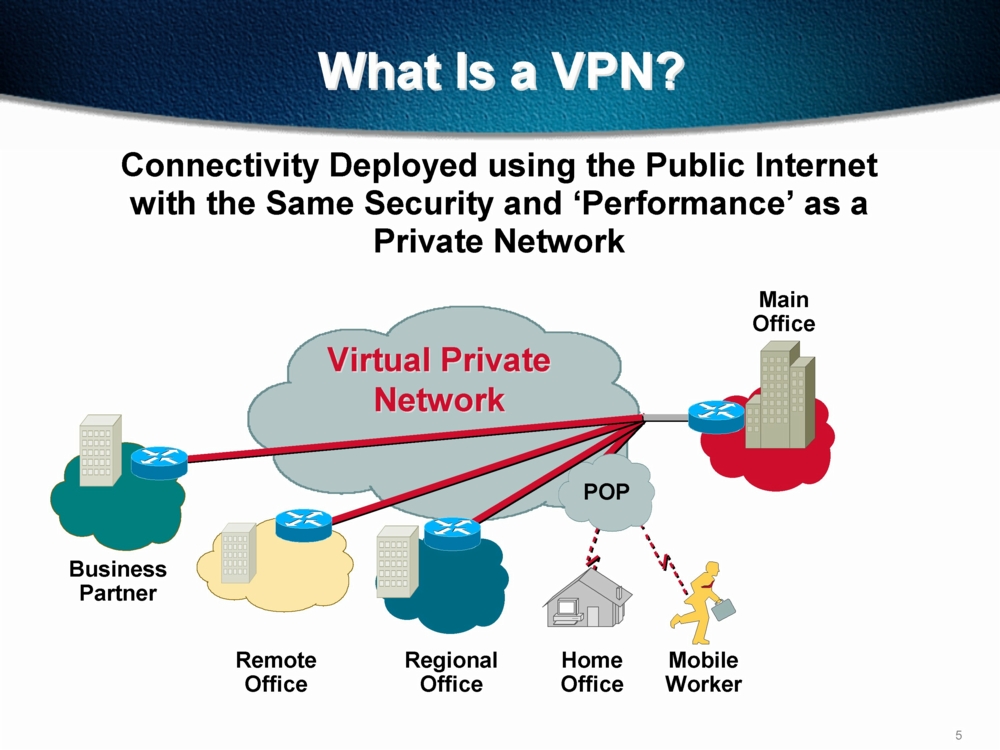
Private IPs such as [172.16.252.214;4300] play an essential role in maintaining system security and efficiency. Since private IP ranges aren’t routable over the internet, they ensure that sensitive internal resources remain protected from external attacks. This makes them ideal for use in office networks, corporate systems, or cloud-based virtual private networks (VPNs).
Additionally, using ports like “4300” allows IT teams to allocate unique service identifiers. For example, one server might use [172.16.252.214;4300] for internal file access while another might use a different port for email services. This organization enhances both security and resource management.
Common Uses of [172.16.252.214;4300] in Network Environments
There are several ways in which [172.16.252.214;4300] could be used inside a secure setup:
-
Database Communication: Internal database servers often operate on unique ports to reduce interference or unauthorized access.
-
Web Application Hosting: Developers may configure local test environments to run applications on this private IP-port combination.
-
Remote Administration: System administrators use configurations like [172.16.252.214;4300] for internal management dashboards that shouldn’t be exposed to the open internet.
-
Testing and Development: Software teams frequently test network applications on local IPs before deploying them to production.
Each use case highlights how private IPs contribute to maintaining operational control, flexibility, and safety within internal systems.
Security Implications of [172.16.252.214;4300]
From a cybersecurity perspective, [172.16.252.214;4300] represents an isolated connection point within a trusted network. However, despite its private nature, misconfiguration can still lead to potential vulnerabilities. For instance, if this IP-port combination is inadvertently exposed through incorrect firewall settings, external attackers might exploit it.
Therefore, network administrators should implement strict access controls, maintain updated firewalls, and use VPNs to secure any connections involving [172.16.252.214;4300]. Regular audits, encryption protocols, and access logs further ensure that internal systems remain uncompromised.
Troubleshooting and Maintenance
When issues arise, troubleshooting [172.16.252.214;4300] involves checking connectivity, verifying firewall permissions, and ensuring that assigned services are correctly running on the specified port. Using command-line tools like ping, netstat, or telnet can help verify if the port is open and responsive.
System administrators must also confirm that no conflicts exist with other running processes. Regular maintenance and monitoring of private network configurations help prevent disruptions, ensuring smooth communication across internal systems.
The Role of [172.16.252.214;4300] in Modern IT Infrastructure
In today’s hybrid cloud and local computing setups, private IPs remain indispensable. Even as businesses move toward cloud-based environments, internal routing via private addresses like [172.16.252.214;4300] continues to serve critical roles—especially for secure operations, controlled environments, and regulated industries.
The use of port-based segregation, internal routing, and IP management tools ensures that organizations maintain compliance, efficiency, and resilience against potential system breaches.
Conclusion
To summarize, [172.16.252.214;4300] represents more than just a random technical detail—it reflects a fundamental principle of modern networking: secure, organized, and efficient communication. Whether used in development, testing, or internal operations, such configurations help IT teams maintain control and protect sensitive data within their networks.
In an era where cybersecurity and network optimization are paramount, understanding how [172.16.252.214;4300] operates can significantly enhance the management and security of digital infrastructure.